
Don't miss the opportunity to participate in the largest aquaculture event in the Southern Hemisphere!
Don't miss the opportunity to participate in the largest aquaculture event in the Southern Hemisphere!
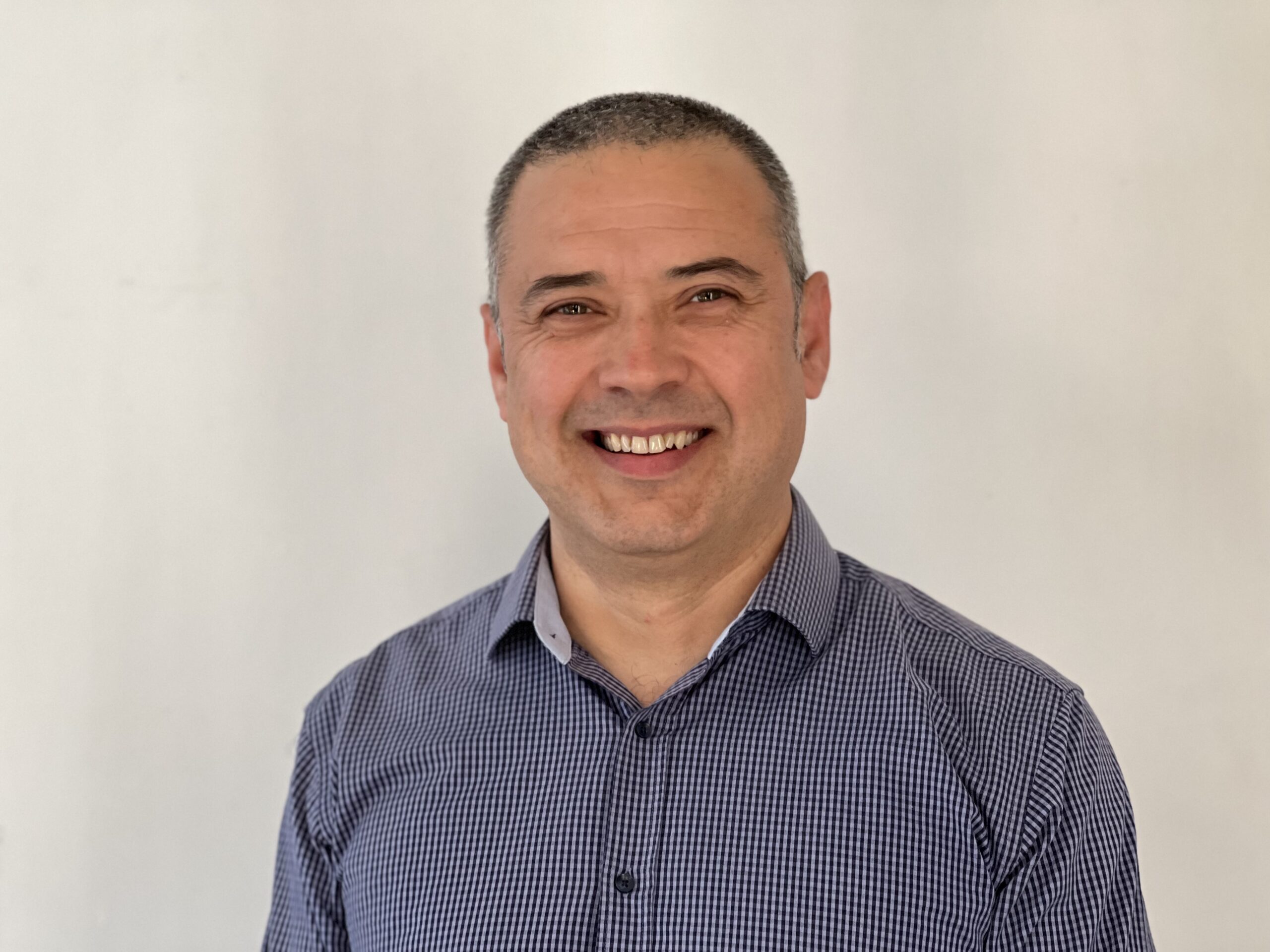
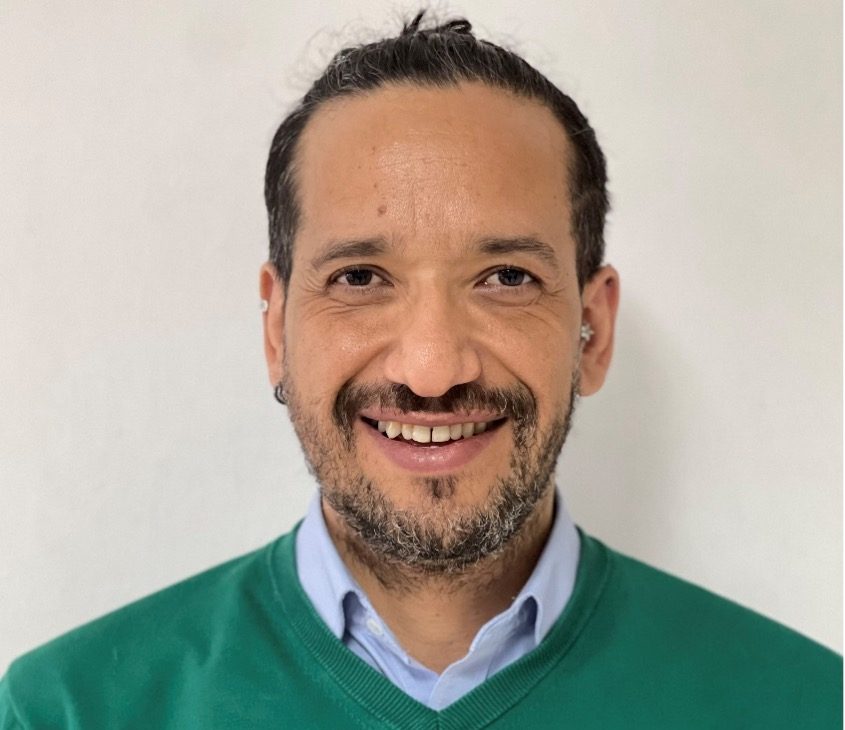
Jurij Wacyk is a leading academic and researcher in fish nutrition and physiology in aquaculture, with a solid scientific background focused on understanding how farmed fish utilize and metabolize nutrients more efficiently, integrating productivity, animal health, and sustainability. He is an Associate Professor at the Universidad de Chile and holds specialized training in fish nutrition, further strengthened by a PhD in fish physiology from the University of Idaho (United States), where he conducted research in nutrigenomics under the supervision of Dr. Ronald Hardy, focusing on amino acid metabolism in trout. His work combines traditional experimental approaches with molecular tools to assess the effects of different protein sources, antinutritional factors, and plant-based extracts—both terrestrial and marine—on productive performance and the function of key organs such as the liver and intestine. Throughout his career, he has conducted applied research across a wide range of aquaculture species, including salmonids (trout and salmon), tilapia, red and golden conger eel, halibut, and yellowtail, contributing relevant scientific evidence for the development of more efficient, functional, and sustainable aquafeeds. He currently serves as Director of the Department of Animal Production, Principal Investigator of the Animal Nutrition Laboratory (LABNA), Director of CRIA—an integrated collaborative research initiative—and researcher at CASA, playing a key role in strengthening the link between science, innovation, and aquaculture production.
Explore the full list of experts who will take part in conferences, panels, and
event activities.
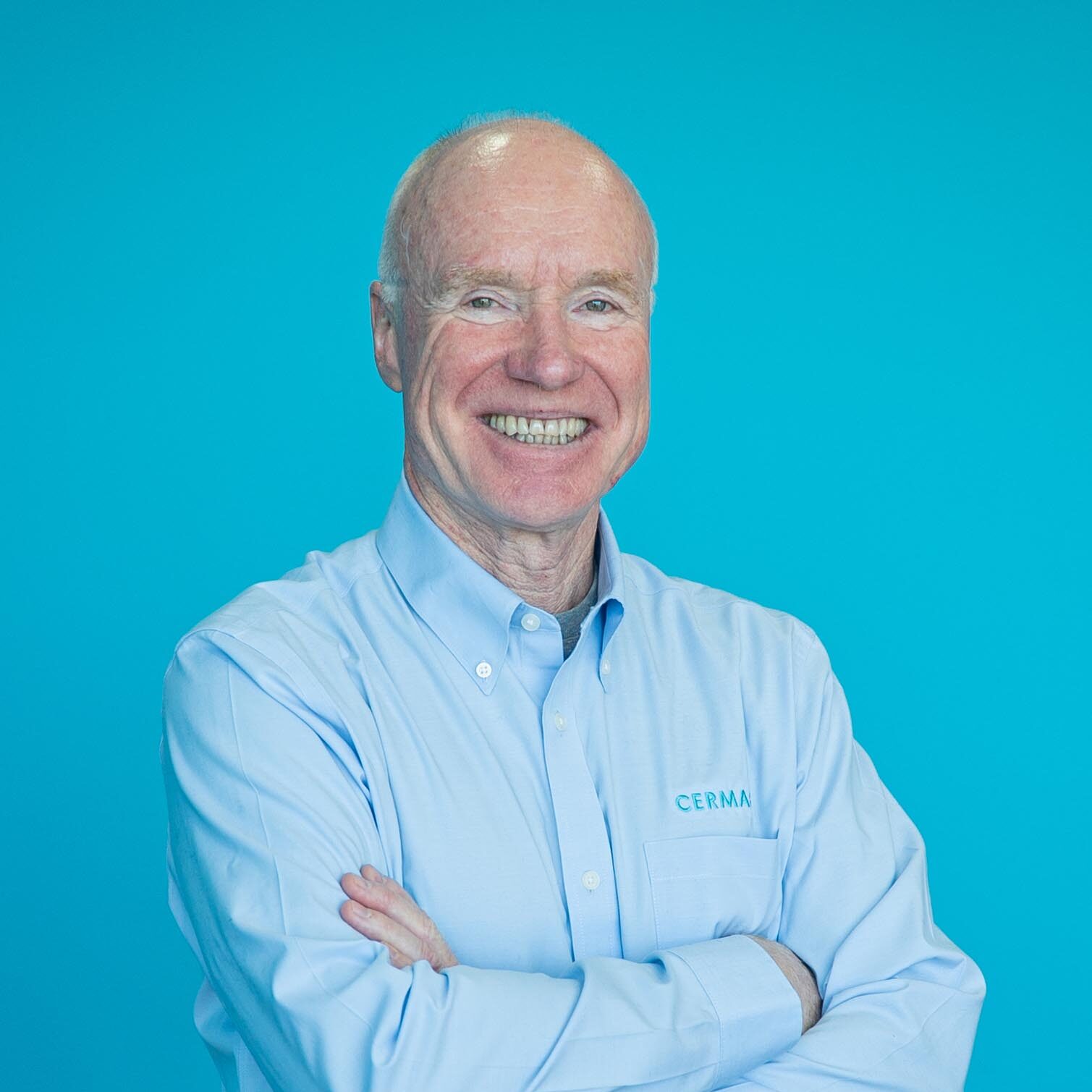
Joachim has been General Manager of Cermaq Chile since June 2024, after previously serving as Commercial and Supply Chain Manager within the company. He brings over 30 years of experience in the Chilean aquaculture industry, with a strong track record at leading companies such as Mowi and AquaChile, and having also served as General Manager of Friosur. He holds a degree in Economics from Pontificia Universidad Católica de Chile and an MSc in Aquaculture and Fisheries Management from the University of Stirling, Scotland.
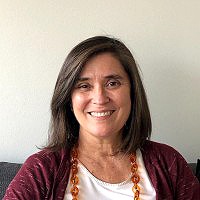
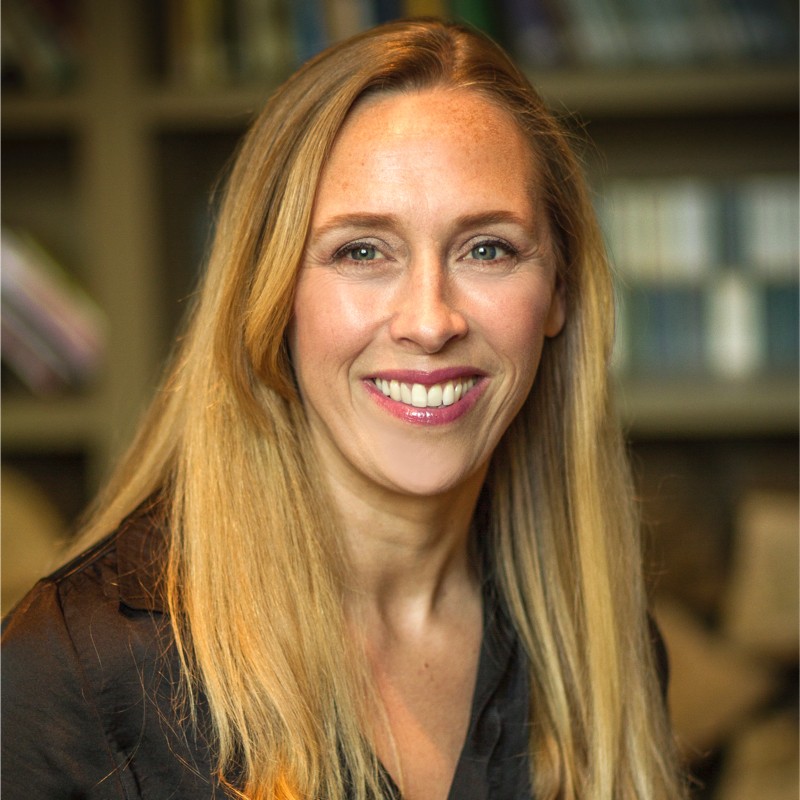
Senior executive with more than two decades of experience leading commercial and strategic operations in the global aquaculture and fisheries industry. She is recognized for building strategic partnerships, negotiating complex commercial agreements, and managing multicultural teams.
