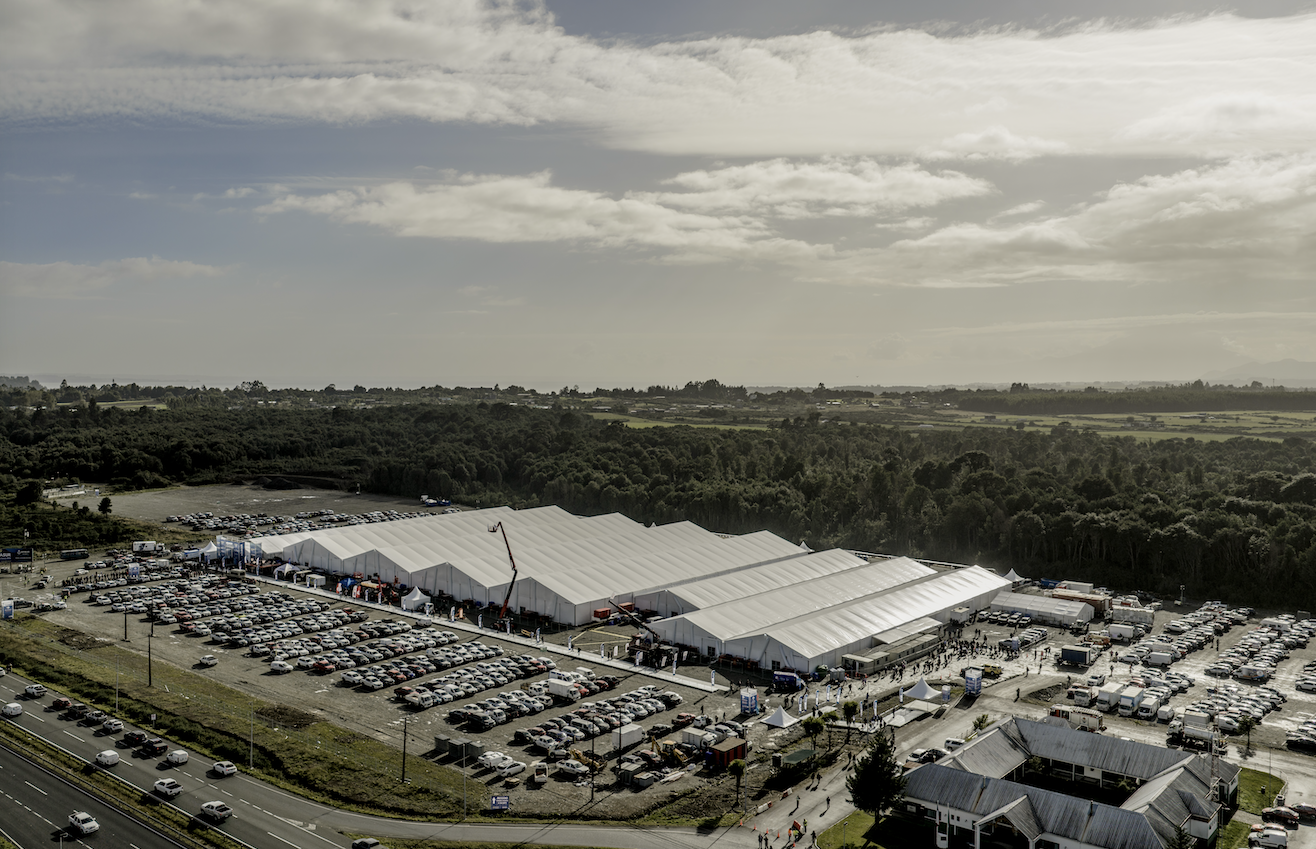
Don't miss the opportunity to participate in the largest aquaculture event in the Southern Hemisphere!
Don't miss the opportunity to participate in the largest aquaculture event in the Southern Hemisphere!
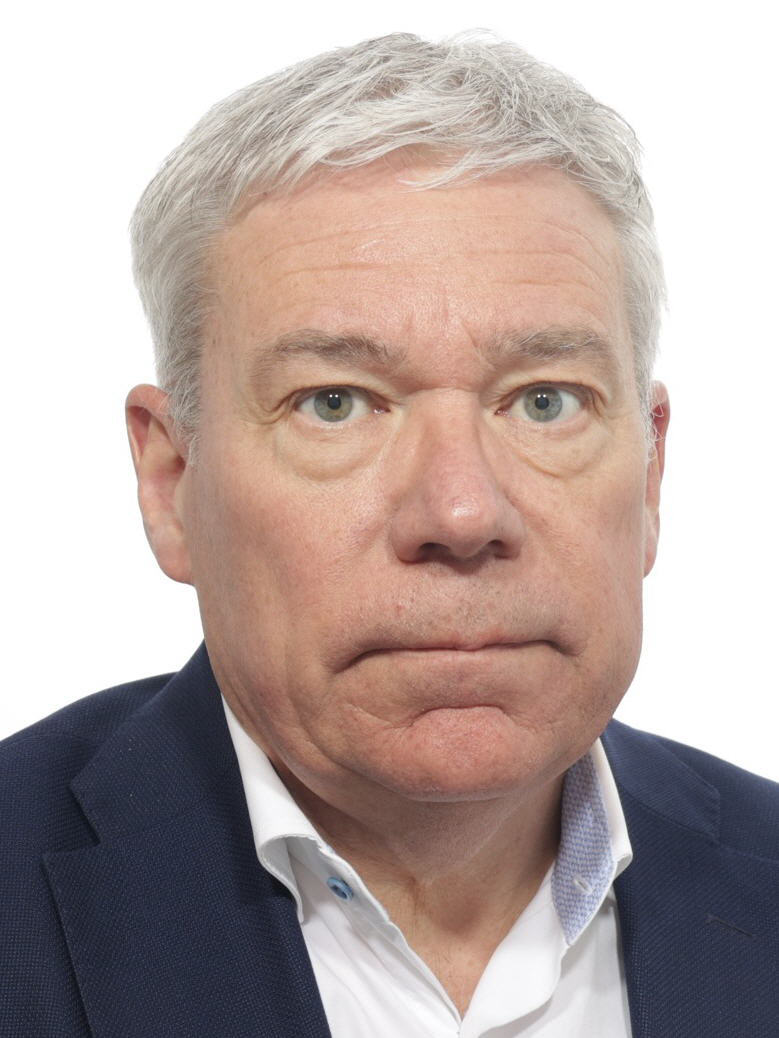

The Director General of Aquaculture for Norway and a global leader in the sector analyzes the sustainability challenges shared by Chile and the Nordic country. In his ninth appearance at Aquasur 2026, the expert from the University of Oslo delves into technological diversification and environmental balance as the pillars that will define the future of ocean production.
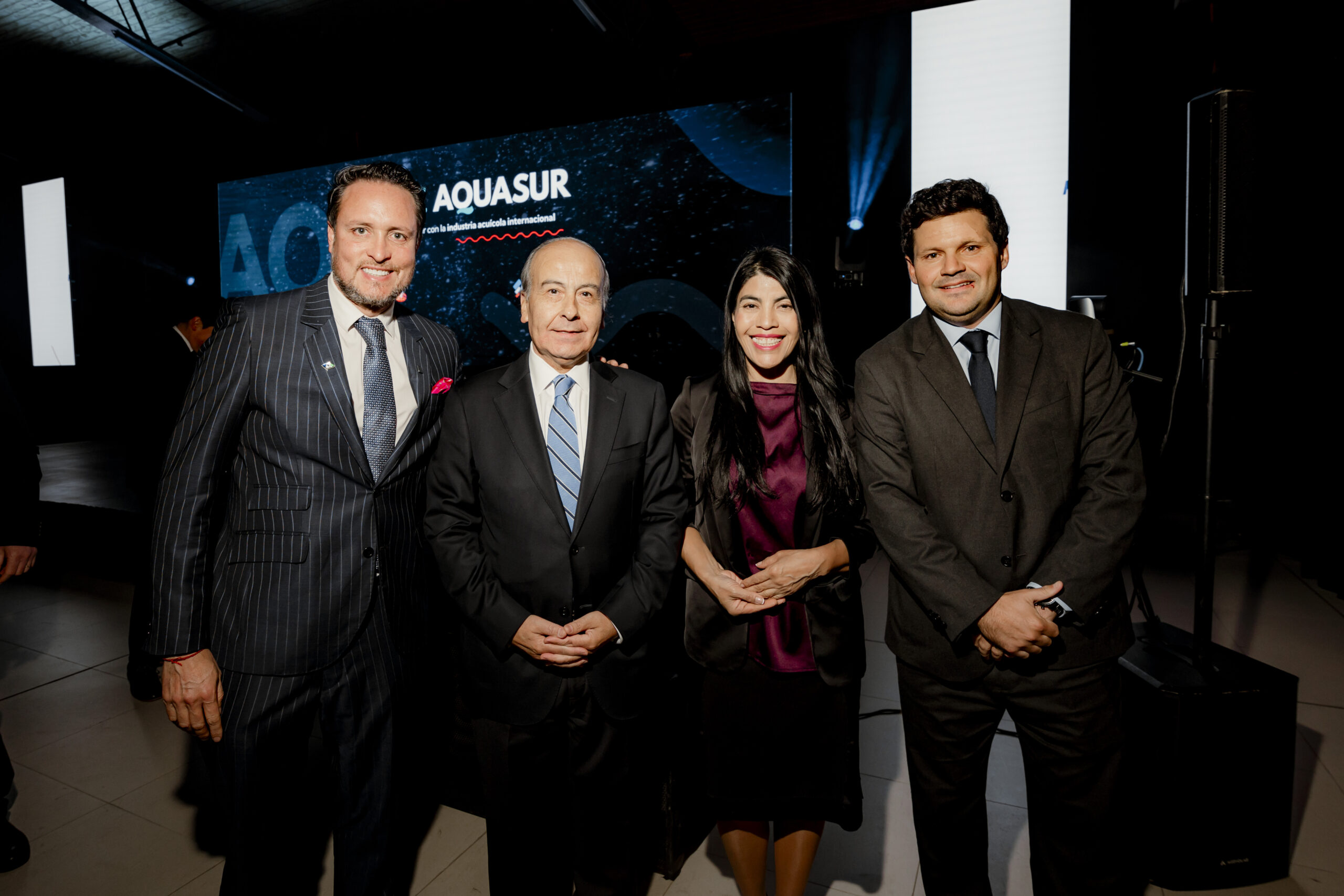
This will be Yngve Torgersen’s ninth time attending Aquasur, solidifying his long-standing connection with the most important aquaculture event in the Southern Hemisphere. A frequent attendee, the current Director General and Head of the Aquaculture Department at the Norwegian Ministry of Trade and Fisheries is one of the world’s leading experts on the future of the aquaculture industry.
A microbiologist from the University of Oslo, with a career spanning from scientific research in animal health to chairing the FAO’s Subcommittee on Aquaculture, Torgersen has been instrumental in shaping public policies that have positioned Norway as a global leader. On the eve of this year’s event, we spoke with him about the shared challenges between Chile and the Nordic country, their technological projections, and his expectations for this reunion in the Los Lagos Region.
—With your experience analyzing the industry globally, what are the priority challenges facing nations like Norway and Chile in scaling up ocean-based food production?
—We need to increase seafood production. The potential for a significant increase in wild-caught fisheries is limited. Therefore, aquaculture needs to produce more seafood. Regarding Norway, I believe the main challenges we face are access to prime seafood production areas, which compete with other important uses. Furthermore, we must ensure that the increase in seafood production is sustainable, where the three pillars of sustainability—economic, social, and environmental—are in balance.
—In this new edition of Aquasur 2026, what are your main expectations for the event and its impact on the sector?
—I believe this is my ninth visit to Aquasur. First of all, I must congratulate the organizers on the excellent work they have done for this year’s event. I have always felt welcome in this beautiful region, and I am able to meet with friends and colleagues from other parts of the world who share the same vision for this vital industry. I am confident that upon my return to Norway at the end of this week, I will be able to look back on a productive week, focused on meeting the growing global demand for seafood and on sustainable growth, even in uncertain times.
— Regarding the development of the sector, what technologies do you believe will define the future of aquaculture in the coming years?
— I don’t believe that a single type of technology will define the future of aquaculture. We must not forget that aquaculture encompasses everything from seaweed and mollusk farming to fish farming. With regard to fish farming in general, and salmon farming in particular, I don’t think there will be a single technology that defines the future. I believe more in diversification.
In my country, Norway, I believe that the predominant technology today, open floating cages, will remain the foundation of Norwegian aquaculture for many years to come. But in the future, we will see more land-based facilities, closed containment technology in protected waters within fjords, and open-ocean fish farms. I believe the future will be a good mix of these technologies, and that innovation and new technologies will be key to developing a more sustainable industry.