Don't miss the opportunity to participate in the largest aquaculture event in the Southern Hemisphere!
Don't miss the opportunity to participate in the largest aquaculture event in the Southern Hemisphere!

Two presentations by representatives from the U.S. Food and Drug Administration (FDA) will address the healthiness of foods according to international standards.
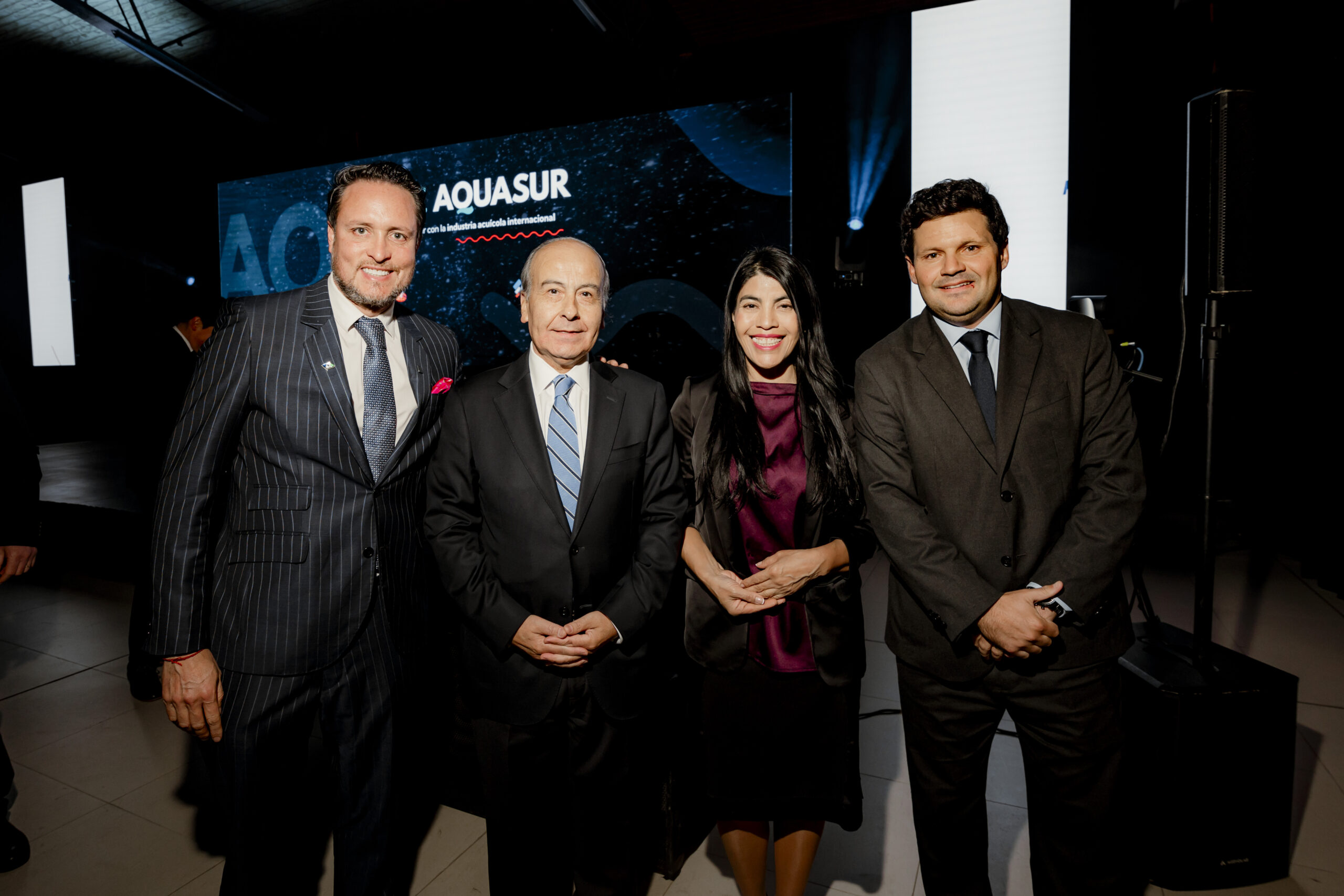
On Wednesday, March 25, the Aquasur 2026 International Congress will begin, running parallel to the main aquaculture industry trade fair in the southern hemisphere, which will take place between Tuesday, March 24, and Thursday, March 26, in the Los Lagos Region.
This Congress is the main platform for public-private and scientific-industrial dialogue in this productive sector, integrating topics such as sustainability, technological and biotechnological innovation, animal welfare, governance, and international standards into its program.
Starting at 12:30 p.m., there will be a panel discussion on Emerging FDA Regulations Impacting the Aquaculture Industry, in which, through two presentations, guest experts from the U.S. Food and Drug Administration will comment on the actions taken by the regulatory agency to ensure the quality and safety of fish and shellfish, specifically salmon.
This panel will be divided into two sections: Use of the healthy claim on food labeling, led by Gonzalo Ibáñez, an agricultural engineer from the Pontifical Catholic University of Chile with extensive experience in international organizations, including diplomatic missions in Brazil, India, and the United States, and who has received numerous awards for his work in agricultural and food regulatory matters.
Regarding his participation in the Aquasur International Congress, Ibañez said: “Aquasur is the most important aquaculture exhibition and congress in the southern hemisphere, making it an ideal venue for disseminating the new US regulations on aquaculture products. This is reinforced by the fact that Chile is the world’s second largest producer and exporter of salmon and the main supplier to the United States.”
The second section, Traceability: A Key Element in Healthy Foods, will be chaired by Christopher Waldrop, an expert in food policy at the FDA who previously worked for twelve years in consumer advocacy in the United States, specifically in charge of regulations related to food quality.
Regarding the relevance of this issue for aquaculture, Ibáñez added that “Food traceability is important to ensure food safety, as it makes it possible to track food throughout its supply chain and warn that it may have been contaminated at some stage. Since 2011, food safety has been a non-negotiable requirement in food trade with the United States, and food traceability is at the forefront of this regulation.”
The U.S. government agency is responsible for regulating food and drugs for human and veterinary consumption, cosmetics, medical devices, biological products, among others. It should be noted, in this context, that about 46% of the value of salmon imported by the U.S. is Chilean salmon.
“In 2019, the FDA conducted an assessment of salmon farming in Chile to evaluate the food safety control programs implemented by government agencies, seafood processing plants, and aquaculture producers of salmon and trout destined for export to the United States. The outcome of that assessment was satisfactory, concluding that Chile met U.S. safety requirements,” Ibáñez concluded.